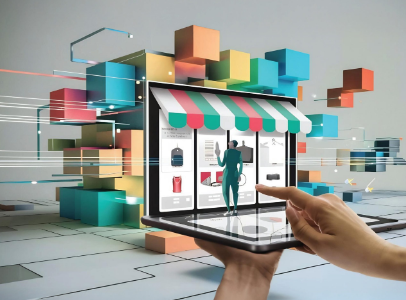
Retail customers no longer interact with brands through a single channel. They browse products online, ask questions through chat, complete purchases on mobile devices, and seek support through contact centres, email, or social platforms.
As customer behaviour evolves, retailers are under increasing pressure to deliver connected and consistent experiences across every touchpoint. However, simply offering multiple communication channels does not automatically create better customer experiences.
To improve engagement and service outcomes, retailers are increasingly focusing on omnichannel retail support that makes interactions simple, connected, and easy for customers to use.
Why Customers Expect More Than Multi-Channel Support
Modern retail customers move between channels throughout their purchase journey. A typical customer interaction may include:
- Discovering products online
- Asking questions through chat
- Purchasing through mobile
- Tracking orders digitally
- Contacting support post-purchase
When channels operate independently, customers often experience delays, repeated information requests, and inconsistent service.
This is why retailers are shifting toward more integrated support models.
The Difference Between Multi-Channel and Omnichannel Support
Multi-channel support provides multiple contact options, while omnichannel support connects those interactions to create a unified customer experience.
Creating Connected Customer Journeys Across Every Touchpoint
Customers expect continuity regardless of where or how they engage. Strong connected customer journeys help retailers deliver:
- Unified customer interactions
- Shared customer context
- Consistent communication
- Reduced effort across channels
- Faster issue resolution
Connected experiences reduce friction and improve customer satisfaction throughout the retail journey.
Eliminating Customer Repetition Across Channels
Customers expect retailers to remember previous interactions. Connected journeys reduce the need to repeat information and create smoother transitions between channels.
How Cross-Channel Retail Service Improves Customer Experience
Effective cross-channel retail service enables customers to move seamlessly between digital and assisted support experiences.
Retailers can strengthen support operations through:
- Integrated customer data
- Shared support workflows
- Centralized service visibility
- Real-time customer information
- Unified engagement platforms
These capabilities improve operational efficiency while making support interactions easier for customers.
Delivering Consistency Across Digital and Human Support
Customers expect the same level of service whether they engage through chat, email, voice, mobile applications, or customer support teams.
Building Seamless Support Experiences Through Operational Alignment
Delivering seamless omnichannel retail support requires more than adopting new technologies it depends on aligning operations, customer engagement strategies, and service execution across every interaction point. Retailers that create connected support experiences are better positioned to improve satisfaction, strengthen loyalty, and deliver consistent customer journeys.
Key operational areas that support seamless customer experiences often include:
- Workflow coordination across channels
- Optimized service processes
- Consistent customer communication
- Workforce collaboration and agility
- End-to-end customer journey management
As retailers continue to enhance omnichannel engagement, many are partnering with experienced service providers to improve customer experience outcomes. TP Australia helps retailers build seamless omnichannel support experiences through scalable engagement models, integrated support operations, and customer service strategies designed to strengthen interactions across the entire retail customer journey.
Making Support Easy Instead of Complex
Retailers that remove friction from support interactions are better positioned to improve customer satisfaction and strengthen loyalty.
Strengthening Retail Engagement Strategy for Long-Term Growth
Customer support increasingly plays a strategic role in customer retention and business growth.
A strong retail engagement strategy focuses on:
- Customer convenience
- Service accessibility
- Personalized experiences
- Operational flexibility
- Long-term relationship building
Retailers that align support capabilities with customer expectations can create stronger engagement outcomes over time.
Turning Customer Support Into a Competitive Advantage
Organizations that invest in connected support experiences can improve loyalty, reduce service effort, and strengthen customer relationships.
Conclusion
Customer expectations continue to evolve as retail experiences become increasingly digital and connected.
By strengthening omnichannel retail support, creating connected customer journeys, improving cross-channel retail service, and delivering seamless support experiences, retailers can create support models that customers actively choose to use.
As competition increases, building customer-centric support experiences will become an important driver of long-term engagement and business growth.
FAQs
How are connected customer journeys different from multi-channel support?
Connected customer journeys integrate customer interactions across channels, while multi-channel support simply offers multiple contact options.
Why is cross-channel retail service important?
Cross-channel retail service reduces friction, improves customer convenience, and creates more consistent customer experiences.
What creates seamless support experiences?
Seamless support experiences are built through integrated workflows, consistent communication, and connected customer data.
How does omnichannel support improve customer satisfaction?
Omnichannel support reduces customer effort, shortens resolution times, and creates smoother interactions across channels.
What should a retail engagement strategy include?
A strong retail engagement strategy should focus on convenience, personalization, service accessibility, and customer relationship development.
How can retailers improve customer engagement?
Retailers can improve engagement through connected experiences, integrated service operations, and customer-centric support strategies.